
Apostle means one who is sent. In Christian usage it refers especially to the disciples sent by Christ to bear witness to him. It is not interchangeable with any religious teacher or persuasive public speaker.
The Gospel speaks of the Twelve, and church tradition also honours the Seventy. Paul has a particular place in the spread of the Gospel. Read these descriptions in context rather than forcing every list into a single unexplained number.
The liturgical book called the Apostle is not an individual apostle: it contains Acts and Epistles for church readings. Equal-to-the-Apostles honours saints noted for evangelising ministry without making them members of the historical Twelve.
Begin with the calling of disciples in the Gospels and continue with Acts. Notice whom they proclaim, how they serve communities and how they face difficulties. This explains apostleship better than a list of unusual features in icons.
The Twelve: calling and commission
Jesus does not merely gather an audience for occasional lectures. The Gospels portray disciples who follow him, hear his preaching, ask questions, make mistakes and receive a commission to bear witness to God’s Kingdom. The number twelve is connected with the biblical image of Israel’s twelve tribes. It expresses the gathering of a people rather than the accidental convenience of a small group.
Lists of the Twelve include familiar names such as Peter, Andrew, James and John, as well as disciples mentioned less frequently. Variations in naming require careful reading: one person may be identified by a personal name and a byname. After Judas’s departure, Acts describes the choice of Matthias. A list from before Christ’s Passion and the narrative of the community after the Ascension therefore belong within a historical sequence. They should not be treated as two competing inventories detached from the events that explain their difference.
Why Paul is an apostle although he is not one of the Twelve
Paul did not accompany Jesus in the same way as the disciples during the Gospel ministry. Acts describes his conversion, and his letters connect his apostleship with Christ’s calling. The New Testament use of apostle is consequently broader than one original list. Paul’s distinctive place does not, however, turn apostleship into a title that anyone can award themselves for persuasive speaking.
His relationship with other apostles and communities also matters. He preaches, travels, works and addresses questions arising in church life. His letters concern actual people: they discuss disagreements, moral difficulties, worship and the hope of resurrection. Understanding Paul requires reading these writings as pastoral letters situated in particular circumstances, rather than as a collection of short sayings for winning arguments. The authority of his witness concerns the Christ he proclaims and the ministry entrusted to him, not simply the force of his personality.
The Seventy and the Equal-to-the-Apostles: distinct meanings
Luke describes the sending of a wider circle of disciples; the manuscript tradition includes the numbers seventy and seventy-two. Orthodox remembrance commonly speaks of the Apostles of the Seventy. Not every detail of later lists appears directly in the Gospel narrative. Keeping that distinction in view prevents the brief scriptural account from being confused with subsequent church identifications of particular individuals.
Saints called Equal-to-the-Apostles lived in different centuries. Olga, Vladimir and Nino do not become contemporaries of Christ’s earthly ministry through that designation. It honours the exceptional significance of their witness and evangelising work. Similarly, describing the Church as apostolic concerns fidelity to the handed-down faith and continuity of ecclesial life. It does not mean that every member possesses the personal status of one of the Twelve. Related vocabulary may express a relationship to apostolic witness without identifying the same historical group.
Recognising an apostle in worship and iconography
Before a reading at the Liturgy, you may hear an announcement identifying a passage from the Apostle. Here the word means the liturgical book containing Acts and apostolic letters, not an invitation for a particular apostle to speak in person. The reading brings the congregation into the apostolic witness. Its argument, addressee and relation to Christian life deserve attention. The volume is arranged for worship and is not identical to the entire New Testament.
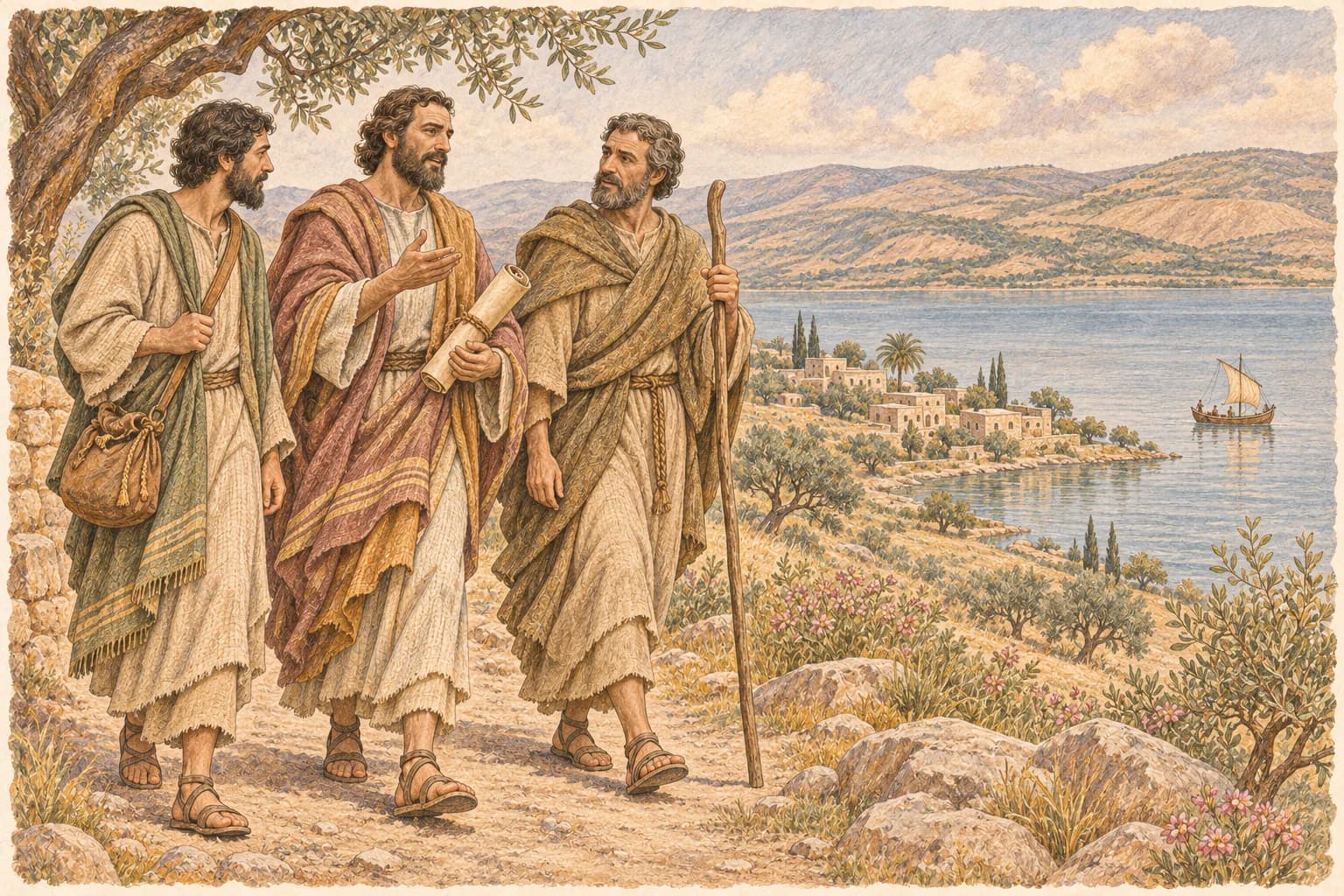
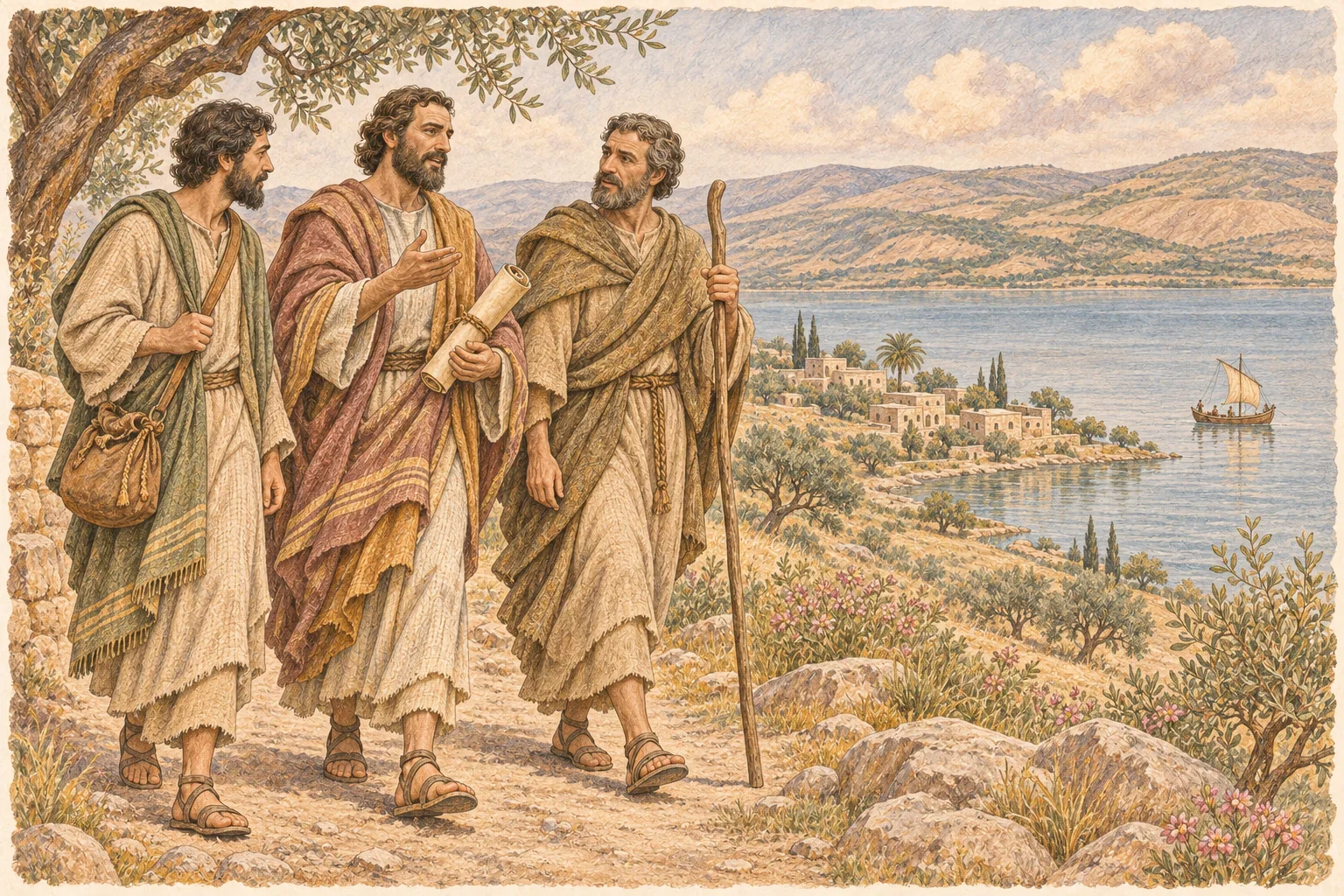
Icons often portray apostles holding a scroll or book as a sign of proclamation. Some have recognisable attributes, but the inscription is more reliable than a guess based on one object. A male figure holding a book, for example, is not necessarily John. To begin learning, choose one apostle, read the Gospel episodes concerning him and then the corresponding church life. The visual features will then be connected to intelligible content rather than remaining a collection of mysterious symbols.
Why the Gospels do not conceal the disciples’ failures
The apostles in the Gospels do not resemble the subjects of promotional biographies. They misunderstand their Teacher, argue about precedence and become afraid; Peter denies Christ and later returns through repentance. These episodes do not annul their commission, but show that its foundation is Christ’s calling and God’s grace rather than naturally flawless character. They offer readers hope of change: a serious failure calls for repentance without necessarily becoming the final word about a person. At the same time, the accounts cannot justify repeated harm. The Gospel portrays a return to faithfulness, not indifference to the consequences of actions or an exemption from responsibility for those entrusted with ministry.
A question for reflection
Does the word refer to a person, a liturgical book or a description of ministry?