
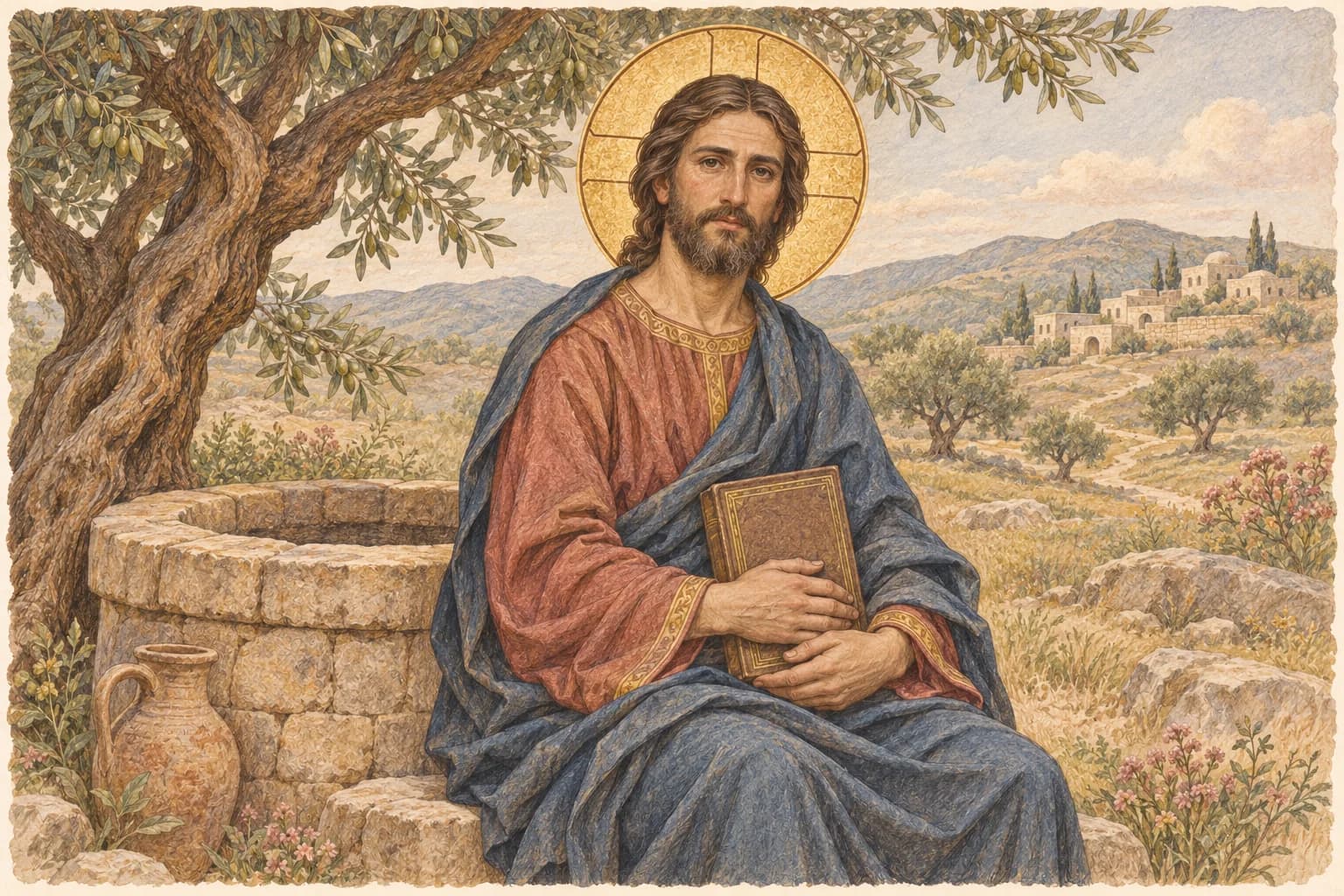
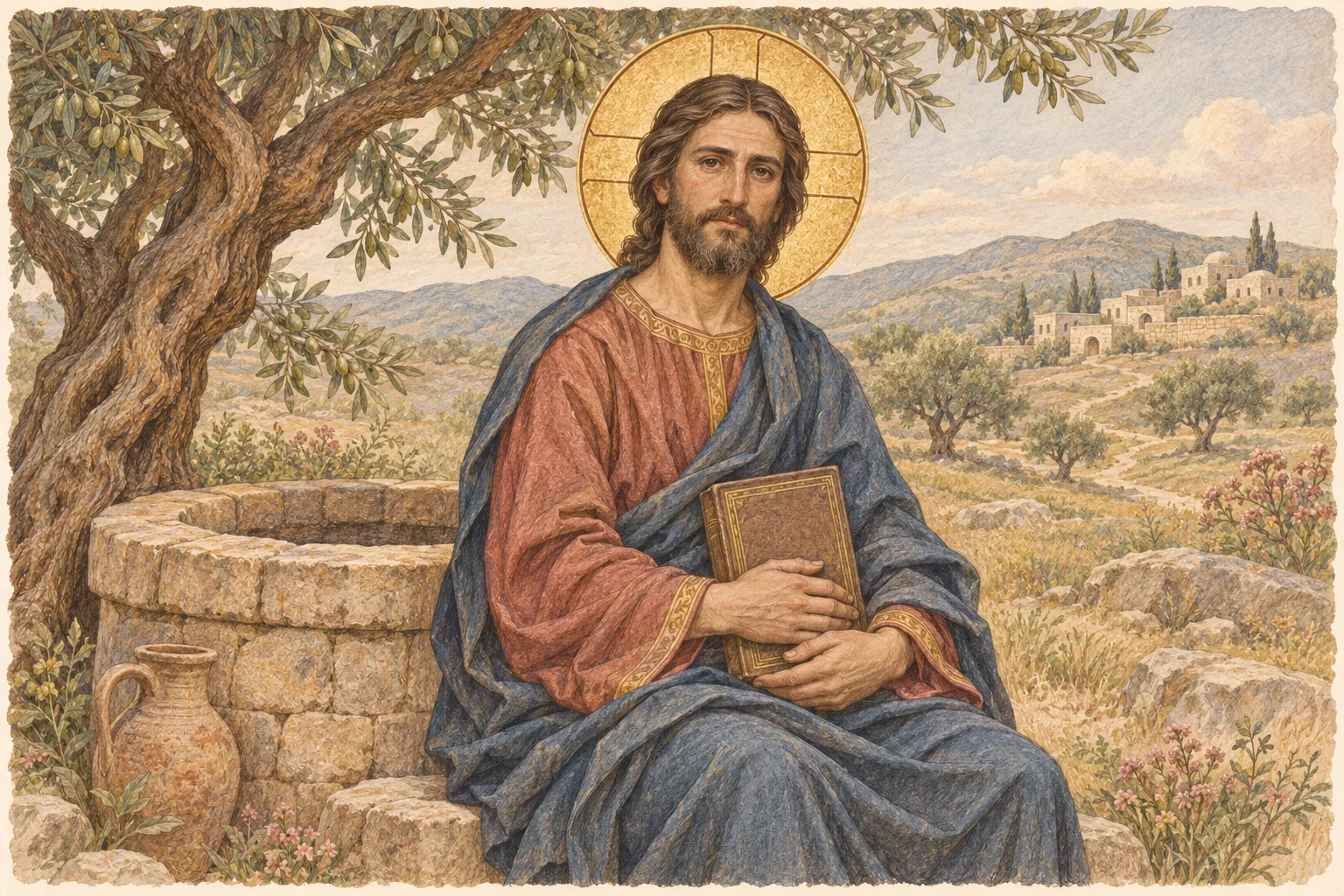
The Christian answer does not require choosing only one: Jesus Christ is truly God and truly human. The Church confesses the same Son of God who became human. This is neither a half-divine being nor a human person later promoted to divinity.
The Gospel witnesses to Christ’s real human life: hunger, tiredness and sorrow. These should not be erased in an attempt to prove divinity. The saving significance of the Incarnation involves the genuine assumption of human nature.
Person and nature have defined meanings in this teaching. Everyday ideas about personality or two separate individuals cannot simply be substituted for them. A church explanation is more useful initially than an argument based on one isolated verse.
Read the opening of John’s Gospel alongside narratives of Christ’s earthly life. Note the questions they raise. Reading them together helps avoid selecting only a convenient half of the Gospel’s witness.
What does one Christ in two natures mean?
In this question, nature describes what belongs to God as God and to a human being as human. Person, or hypostasis, answers who is acting. Christian confession identifies one Son of God who possesses the divine nature and assumes a complete human nature. This is neither a temporary alliance of two independent beings nor a mixture in which both divinity and humanity lose their identity.
The Council of Chalcedon articulated this teaching by affirming the distinction and inseparability of the two natures. For a beginner, the essential point is that Christ truly shares our human life without ceasing to be God. Comparing him to an actor merely pretending to be human removes the reality of the Incarnation. Comparing him to an ordinary man who receives exceptional powers removes what the Church confesses about the eternal Son. Either simplification answers only half of the original question and loses something the Gospel requires Christians to hold together.
Why does Jesus pray, become tired and suffer?
Readers often ask why Jesus prays to the Father if he is God. Jesus praying to the Father does not mean that the Son is not God or that there are two unequal gods. The Gospel reveals both the Son’s relationship to the Father and the genuine human life of the incarnate Son. Christ does not merely perform human trust and obedience while remaining an outside observer of human difficulties.
Hunger after fasting, tiredness beside the well, tears at Lazarus’s tomb and suffering on the cross show the reality of the human nature he assumed. Yet the Church does not regard sin as an essential component of being human: Christ is without sin. Saying that Christ died for us refers to the real human death of the one Son, not to the divine nature ceasing to exist. These distinctions are not verbal games. They safeguard the reality of the Gospel events against an interpretation in which the earthly life of Jesus becomes only a performance.
Reading the Gospel witnesses together
The opening of John’s Gospel speaks of the Word who was with God and became flesh. The same evangelist then describes Jesus’s ordinary human encounters: conversation, travel, meals, friendship and grief. Towards the end, Thomas’s confession is addressed to the risen Christ. Readers cannot simply select whichever episodes suit one side of the argument. The book itself connects its exalted confession with the concreteness of Jesus’s earthly life.
One useful reading exercise is to note two groups of observations: what the passage says about Jesus’s human life, and what it says about his relationship to the Father and divine authority. Then read both as testimony concerning the same Christ. You do not have to reconstruct the whole of Christian theology in one evening. It is more productive to formulate a specific question, such as one about prayer in Gethsemane, than to begin with the sweeping claim that everything in the Bible contradicts everything else.
Why this matters for faith and prayer
If Christ were only a moral teacher, salvation would amount to following the advice of an extraordinary human being. If his humanity were only an appearance, he would not truly have entered our life. Orthodox teaching holds both affirmations together: God himself comes to humanity, and human nature is not discarded as an unnecessary shell. Christian hope therefore concerns the healing of humanity and life with God, rather than escape from being human.
In prayer to Christ, believers address the one Lord, not first a human component and then a divine component. An icon of Christ likewise depicts the one Saviour who appeared in history; it does not attempt to draw the invisible divine nature as a separate object. Understanding the doctrine helps explain familiar words from worship. They concern the same Jesus whom the Gospel places beside the sick, his disciples, children and people in grief. The theological language serves that coherent confession rather than replacing the Gospel with abstractions.
Why Mary is called the Mother of God
Calling Mary the Mother of God does not mean that she is the source of eternal divinity or existed before God. The title answers who was born from her according to his humanity: the same eternal Son of God who became human. In this way the Church safeguards the unity of Christ’s Person. Imagining Mary’s child as a separate human individual only subsequently joined to God would change the meaning of the Incarnation. This is why conciliar debates about the title Theotokos concerned Christ himself. A beginner can retain the distinction between the Saviour’s human birth from Mary and the Son’s eternal existence without treating these as two competing claims.
A question for reflection
Does your explanation exclude either Christ’s divinity or his genuine humanity?